
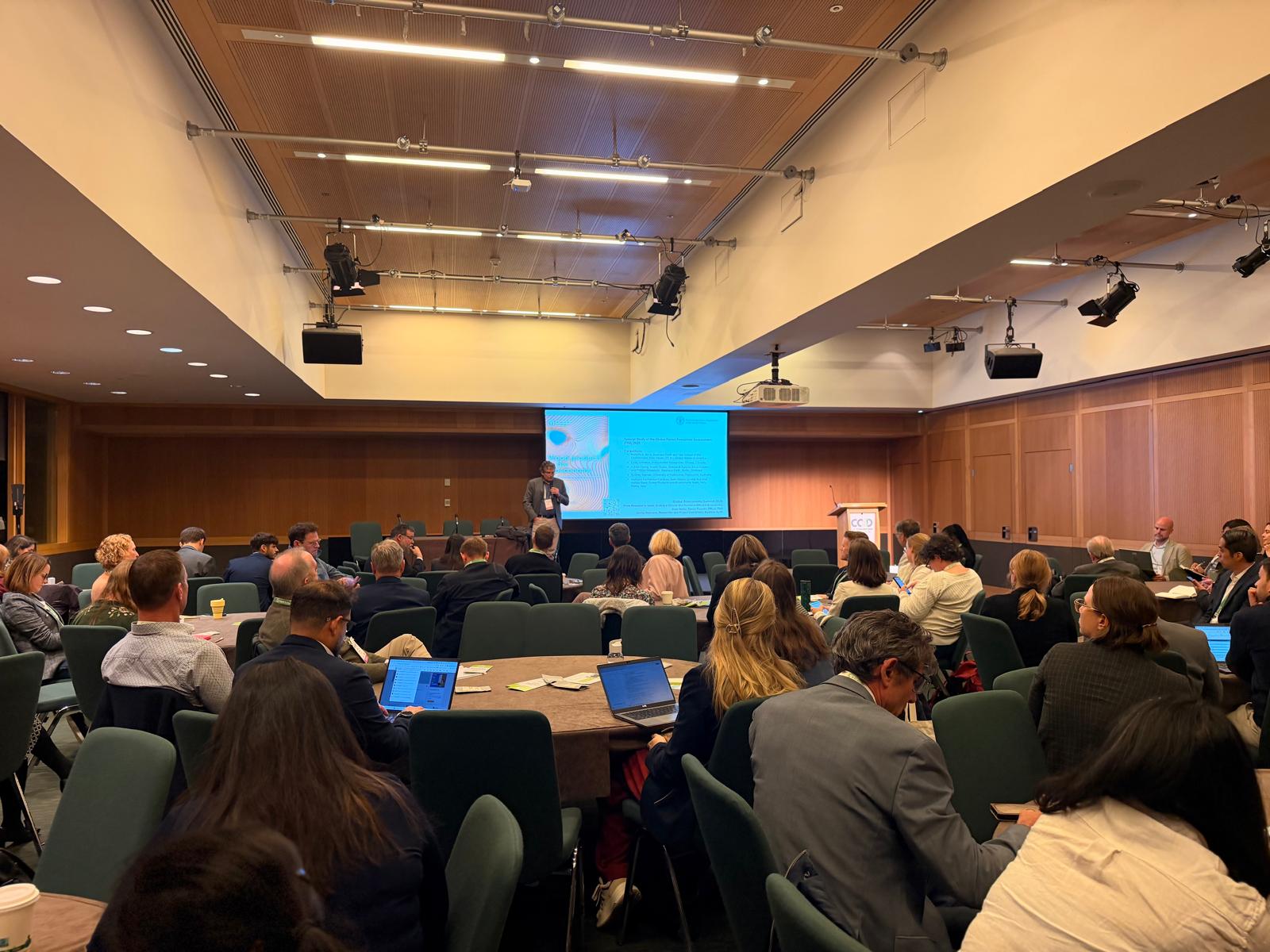
Making more efficient use of biological resources is an important part of developing a sustainable bioeconomy. At the Global Bioeconomy Summit in Dublin, the workshop From Resource to Value: Scaling a Circular and Resource-Efficient Bioeconomy explored how biological materials can retain value through better design, use, reuse and recovery.
The discussion connected forest-based construction with wider questions about biomass, circular systems, policy, finance and governance. It examined opportunities to retain material, carbon and economic value for longer rather than treating renewable resources as unlimited.
Relevant lessons for buildings
Construction decisions influence how much material is required, how long it remains in use and whether components can be adapted, recovered or reused. Designing for durability and circularity can reduce waste and help use forest resources efficiently.
Building for Forests links these demand-side decisions to sustainable forest management and responsible supply. Circularity is therefore not only a question of end-of-life waste: it begins with choices about what to build, which materials to use, and how buildings can remain useful over time.
This workshop was a related Global Bioeconomy Summit engagement, not a separate Building for Forests workshop. It contributed a broader resource-efficiency perspective to the initiative's implementation agenda.