
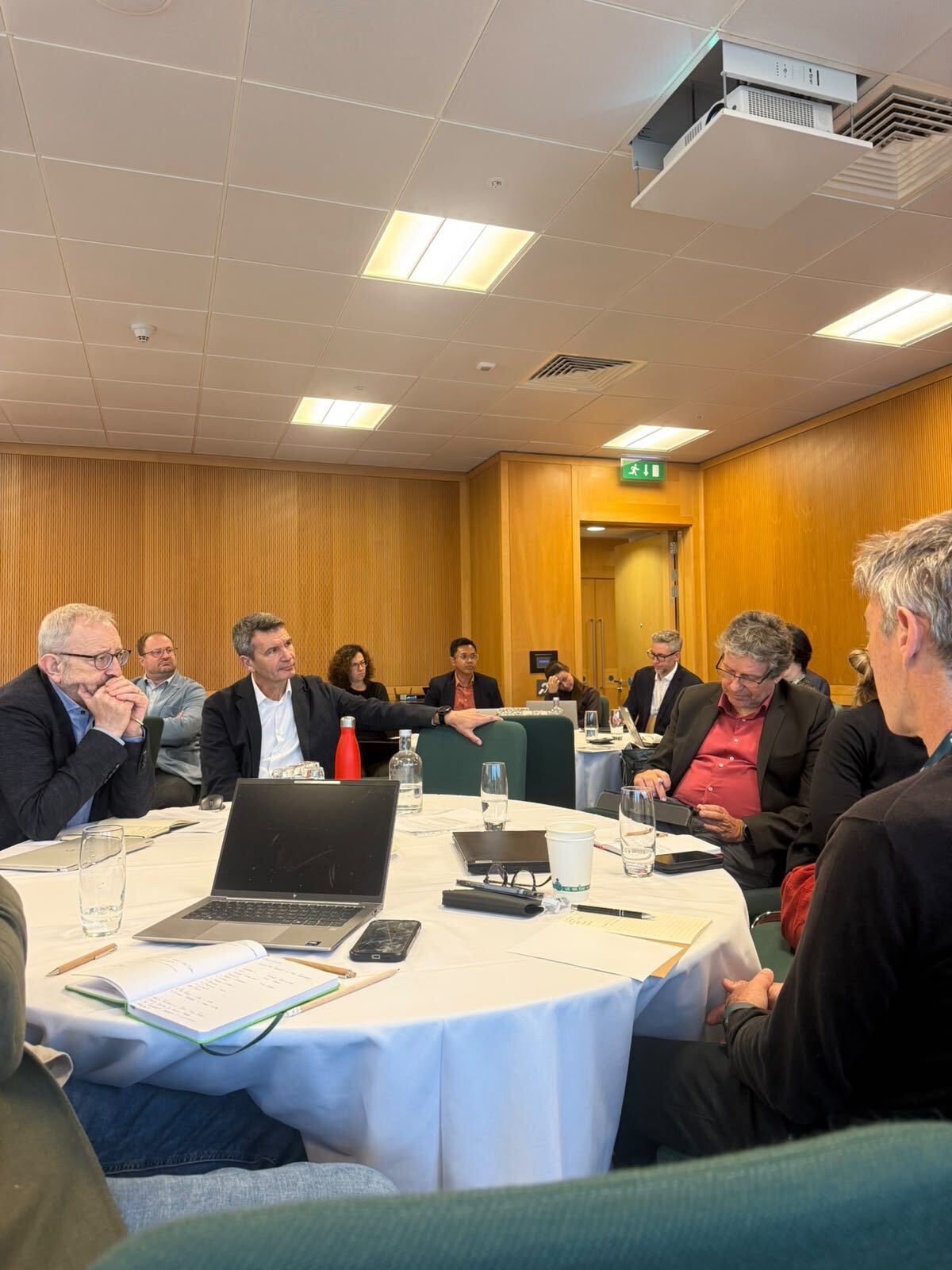
How can sustainable forests contribute to more affordable, resilient and lower-emission buildings? And how can growing demand for better buildings create opportunities for sustainable forest management and rural livelihoods?
These questions brought together representatives from forestry, construction, housing, research, industry and international organisations during a Building for Forests workshop held alongside the Global Bioeconomy Summit in Dublin.
Convened by Built by Nature and PEFC International, the workshop explored what is needed to move from growing interest in responsible wood construction towards practical implementation.
Connecting policies and value chains
The discussions highlighted how decisions about housing, construction materials and public procurement can influence forest-based industries and the economic opportunities available to forest owners.
Expanding wood construction also requires confidence in sustainable resource availability, responsible sourcing, building performance and the investment needed along the value chain. Participants examined opportunities to strengthen cooperation between forest management and construction policy, develop practical projects, address regulatory and technical barriers and mobilise finance.
A recurring theme was the importance of building on experience rather than creating additional commitments disconnected from implementation.
The Dublin Statement
Drawing on these discussions, the Building for Forests Dublin Statement identified four broad priorities: connecting housing, forestry and industrial policy; making responsible material choices based on building performance; creating confidence for investment; and removing practical barriers to implementation.
The statement provides a basis for continued cooperation. It does not imply formal endorsement by every workshop participant.
From Dublin to COP31
The Dublin priorities will inform Building for Forests' engagement at COP31 in Antalya, focusing on connecting existing initiatives, identifying examples of progress and exploring further cooperation. Different buildings require different materials, and decisions must consider whole-building performance as well as responsible supply.